Sew Lettering Line Art with Sewing – A Designer’s Take on This Craft-Centric Graphic
First Impressions: A Whimsical, Handmade Vibe with Strong Visual Identity
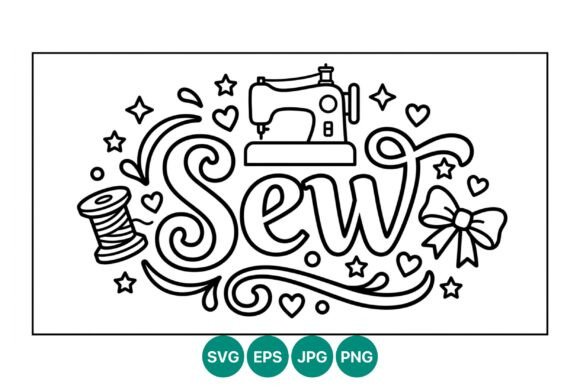
The moment I opened the ZIP folder containing Sew Lettering Line Art with Sewing, I was struck by how cohesive and charming the design is. The central word “sew” is styled in a bold, slightly rounded letterform that feels both approachable and intentional. The surrounding elements—sewing machine, spool of thread, bow, hearts, stars, and decorative swirls—add a sense of motion and warmth without overwhelming the composition. This black and white line art carries a distinctly handmade aesthetic, making it ideal for brands or projects that lean into craft, nostalgia, or artisanal appeal.
Perfect Fit for Small Businesses and Handmade Brands
I recently reviewed this asset while working on a brand identity concept for a boutique sewing supply shop. The client wanted to convey creativity, tradition, and a touch of playfulness. Sew Lettering Line Art with Sewing immediately stood out as a potential anchor for their visual system. Its illustrative nature fits perfectly within the handmade niche, and the line art style ensures it doesn’t feel too kitschy or outdated.
For Etsy sellers, print-on-demand creators, or local craft businesses, this kind of asset can serve as a foundational graphic that ties together packaging, digital ads, and product mockups under a unified theme.
Performance Across Design Formats: From Logos to Social Media
One of the first things I tested was how this line art performs in different design contexts. Here’s how it held up:
- Logo Design: Works well as a secondary graphic or brand icon, but not ideal as a standalone logo due to the detailed nature of the illustration.
- Product Labels: Adds charm and thematic clarity on packaging for sewing kits, embroidery floss, or handmade items.
- Social Media Graphics: Shines as a decorative header or accent in Instagram stories or Pinterest pins, especially when paired with clean typography.
- Printable Designs: Ideal for downloadable sewing patterns, planners, or crafting templates where a hand-drawn look is desired.
- Cricut Projects: Scales well for vinyl cutting or paper crafting, especially when used in black-and-white for contrast and clarity.
Best Use Cases: Hero Graphics, Themed Collections, and Decorative Accents
This design asset truly excels when used as a hero graphic in themed collections. Whether it’s a seasonal campaign for spring sewing kits or a branding element for a new line of boutique fabric products, the line art brings a sense of personality and narrative.
It also works beautifully in supporting roles—think border elements on printable wall art, corner accents in Canva templates, or as part of a larger pattern in packaging design. The black and white format makes it easy to layer over colored backgrounds or integrate into both light and dark themes.
Where to Be Cautious: Avoid Overuse in Complex or Minimalist Contexts
While versatile, this asset isn’t a one-size-fits-all solution. In minimalist branding or corporate design, where visual hierarchy and simplicity are key, the detail-heavy nature of the line art can feel out of place. Similarly, in small-scale applications like mobile app icons or tiny stickers, the fine lines and intricate details may not render clearly.
Designers should be cautious when placing it on busy backgrounds or in layouts already packed with visual elements. It can easily get lost or compete with other design components, diluting the overall message.
Impact on Branding and Audience Engagement
From a branding perspective, using Sew Lettering Line Art with Sewing can help establish a consistent visual tone across marketing materials and product packaging. The whimsical yet professional feel of the illustration adds emotional appeal, which is especially valuable for businesses targeting creative audiences or DIY enthusiasts.
When integrated thoughtfully, this kind of graphic enhances visual trust and recognition. It communicates a sense of authenticity and care—important qualities for small businesses and handmade brands trying to stand out in crowded markets.
Practical Designer Notes Before Use
Before incorporating this into a client project, I always run through a checklist to ensure technical and visual compatibility:
- Test in black and white: Confirm the contrast holds up in monochrome contexts, especially for print use.
- Preview at different sizes: Make sure it remains legible and visually appealing both large and small.
- Check file formats: The included SVG, PNG, JPG, and EPS files offer flexibility, but test the vector format for scalability and editability.
- Inspect PNG transparency: If using in digital design tools like Canva or Photoshop, ensure the PNG version has clean edges and no background artifacts.
- Review commercial licensing: Confirm the asset is cleared for commercial use, especially for print-on-demand or digital product sellers.
- Compare with typography: Pair it with serif, script, or display fonts to see how it complements the overall design hierarchy.
- Mockup integration: Place it in real packaging, apparel, or web layouts to assess how it contributes to the final visual impact.
Final Thoughts: A Versatile Graphic for Craft-Centric Design
As a professional designer, I appreciate assets like Sew Lettering Line Art with Sewing because they offer a balance of style and utility. Whether you're crafting a visual identity for a new Etsy shop or designing social media assets for a seasonal campaign, this line art brings a tactile, creative energy that digital-only graphics often lack.
It’s not just a decorative illustration—it’s a storytelling tool that helps connect brands with their audience through visual language. When used with intention and tested for technical performance, it can elevate everything from packaging design to digital marketing visuals.
For designers, brand owners, and content creators working in the handmade or craft space, this graphic design asset is definitely worth considering for your next creative project.